Water damage repair is the process of stopping the source of water, removing moisture, cleaning and drying the affected area, and rebuilding whatever cannot be saved. A burst pipe, a roof leak, an overflowing appliance, or a flood can all start the same chain of problems: soaked drywall, warped flooring, and mold risk. Acting quickly and in the right order protects your health and often reduces how much has to be replaced. This guide explains each stage in plain language, so you know what to do first and what to expect.

It is written for homeowners and property owners in Ypsilanti, Ann Arbor, Westland, Novi, and nearby Michigan communities, though the steps apply anywhere.
Key takeaways
- Safety comes first: stop the water source and avoid electrical hazards before anything else.
- Drying quickly, generally within 24 to 48 hours, reduces the chance of mold and further damage.
- Restoration (water removal and drying) and repair (rebuilding) are different stages.
- Floodwater and sewage are contaminated and need extra caution.
1. What is water damage repair, and what does it include?
Water damage repair usually happens in two broad phases. The first is restoration, which means removing standing water, drying the structure, and cleaning affected surfaces. The second is repair, which means replacing or rebuilding materials that were too damaged to save.
- Stop the source: shut off the water, fix the leak, or wait for floodwater to recede.
- Remove water: pumps and extractors take out standing water.
- Dry and dehumidify: air movers and dehumidifiers dry walls, floors, and air.
- Clean and sanitize: affected surfaces are cleaned, and contaminated materials are removed.
- Rebuild: drywall, insulation, trim, flooring, and paint are replaced or repaired.
Drywall is one of the first materials to suffer, because it absorbs water easily. Drywall Complete Services LLC handles the drywall stage, which you can read about on its drywall water damage repair page.
2. Common causes and warning signs
Water damage is not always dramatic. A slow leak can quietly soak a wall for weeks. Common causes include burst or leaking pipes, failed appliance hoses, roof or window leaks, clogged gutters, sewer backups, and flooding. Watch for stains, bubbling paint, a musty smell, warped or soft materials, and ceilings that sag.
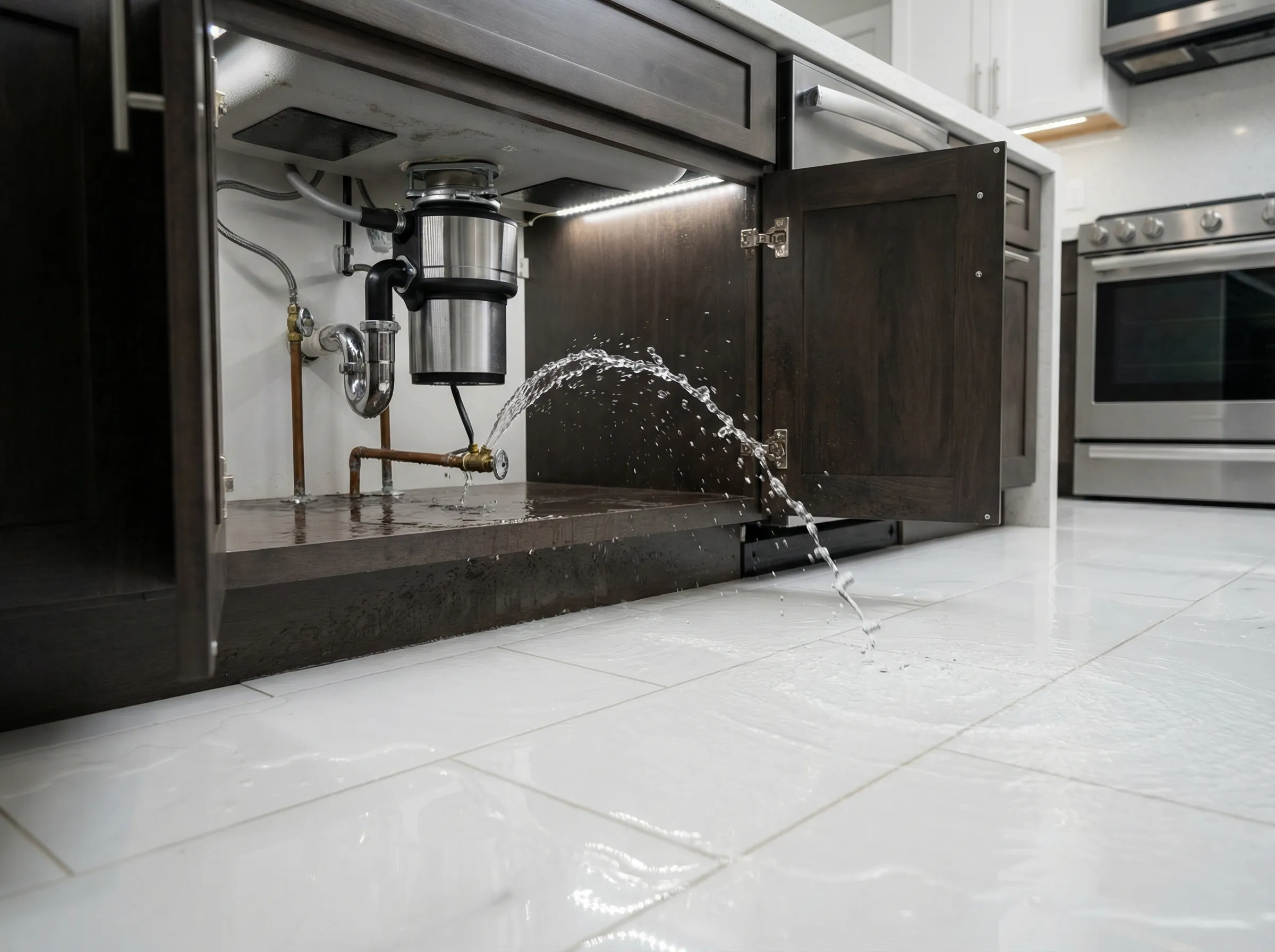
This table sorts common signs by urgency. When in doubt, treat the situation as urgent.
| Sign | What it may mean | Priority |
|---|---|---|
| Water actively dripping or flowing | The source is still active | Urgent Stop the water first |
| Ceiling sagging or bulging | Water trapped above the drywall | Urgent Keep clear of the area |
| Standing water indoors | Leak, backup, or flooding | Urgent Stay out if power may be on |
| Soft, crumbling, or swollen drywall | Material is saturated | Soon Dry and inspect |
| Musty smell with no visible damage | Hidden moisture | Soon Find the source |
| Old, dry stain with no new growth | Past leak that has stopped | Can wait Monitor and repaint after repairs |
3. Emergency water damage restoration: the first 24 to 48 hours
Emergency water damage restoration is about limiting damage while keeping people safe. What you do in the first day or two matters most. If it is safe, you can:
- Stop the water at its source, such as the main shutoff valve.
- Move furniture, electronics, and valuables out of the wet area.
- Open windows and run fans if the air is dry and it is safe to do so.
- Take photos and video of the damage before cleanup begins.
- Contact your insurer and a qualified restoration or repair professional.
4. Water extraction services and drying
Water extraction services use pumps and industrial extractors to remove standing water from floors and carpets. Removing the water is only the start. Walls, subfloors, and the air still hold moisture, so drying equipment such as air movers and dehumidifiers is placed to bring materials back to normal moisture levels.
Why moisture readings matter
A surface can feel dry while the framing or insulation behind it is still wet. Professionals use moisture meters to check, so hidden dampness is found before walls are closed up. Closing a wall over damp material can lead to mold and repeat damage.
5. Water damage cleanup and contamination
Water damage cleanup depends on what kind of water caused the damage. Clean water from a supply line is different from water that has touched soil, drains, or sewage.
- Clean water comes from a broken supply line or similar source and is generally the least hazardous, though it becomes a problem if not dried quickly.
- Contaminated water includes floodwater, sewer backups, and water that has sat for a long time. Porous materials such as drywall, insulation, and carpet that were soaked by it are usually discarded.
Wear protective gloves, boots, and eye protection if you must handle wet materials, and keep children and pets out of the area.
6. Flood damage repair vs. a pipe leak
Flood damage repair is usually larger in scope than repair after a single leak. Floodwater affects more rooms, carries contamination, and can reach electrical systems and building structure. A pipe leak is often limited to one wall, ceiling, or floor area, but hidden leaks can be just as destructive over time.
For floods, expect more removal of materials, more drying time, and possible inspection of electrical and heating systems before the building is reoccupied. If the damage affects an office or other business property, this guide to commercial drywall installation explains how commercial wall and ceiling work is planned.
7. Drywall and ceiling water damage repair services
Water damage repair services for drywall focus on what happens after the building is dry and safe. A repair contractor will typically inspect the affected area, find where the damage ends, and remove drywall that is saturated, crumbling, or moldy. Clean, dry framing is then checked before new board goes up.
- Cut-out and replacement: damaged sections are removed back to solid framing and replaced.
- Taping and finishing: seams are taped and coated in thin layers, then sanded smooth.
- Priming and painting: a primer helps seal stains so they do not bleed through paint.
When to call for help
Call a professional when a ceiling is sagging, when drywall is soft or crumbling, when there are signs of mold, or when you cannot find the source of moisture. These problems rarely fix themselves.
8. A step-by-step timeline: from leak to finished wall
- Make it safe. Stop the water, avoid electrical hazards, and keep people out of damaged areas.
- Document. Take photos and video, and contact your insurer.
- Remove water. Standing water is extracted from floors and carpets.
- Dry the structure. Air movers and dehumidifiers run until moisture readings return to normal.
- Remove damaged materials. Saturated drywall, insulation, or flooring is cut out and discarded.
- Inspect for mold. If you see or smell mold, have it assessed before rebuilding.
- Rebuild. New drywall is hung, taped, and finished.
- Prime and paint. The repair is sealed, painted, and checked in good light.
What affects the cost of water damage repair
Every project is different, so a reliable estimate comes from an inspection. These factors shape the cost:
- How much area is affected and how many rooms.
- The source and type of water, including whether it is contaminated.
- How long materials stayed wet.
- Whether drying equipment and extraction are needed.
- How much drywall, insulation, and flooring must be replaced.
- Whether mold is present.
- Ceiling height and access.
- Finishing, texture matching, and paint.
- Whether electrical or plumbing repairs are also required.
Drywall Complete Services LLC offers free estimates for drywall water damage repair, so you can have the work reviewed before committing.
How to choose a water damage repair provider
- Clarify who does what. Water removal, drying, mold work, and drywall repair may be separate trades.
- Ask for a written scope that lists the areas, materials, and finishing steps.
- Check requirements. Ask which license and insurance rules apply and request proof where required.
- Read customer feedback for providers of water damage restoration and repair in your area.
- Ask about the plan for moisture checks before walls are closed.
- Compare more than price. Scope, timeline, and communication matter just as much.
Prevention tips: avoid repeat water damage
- Know where your main water shutoff is, and test it once a year.
- Replace old supply hoses on washing machines and dishwashers before they fail.
- Keep gutters and downspouts clear and pointed away from the foundation.
- Check ceilings, roof, and windows after heavy storms.
- Insulate exposed pipes in cold areas to help prevent freezing.
- Fix small leaks and stains early, before they spread.
Water damage repair FAQs
How quickly should water damage be dried?
As quickly as safely possible. Mold can begin to grow on damp materials within a day or two, and drying within roughly 24 to 48 hours is commonly recommended. The longer materials stay wet, the more likely they will need to be replaced.
Can wet drywall be saved?
Sometimes. Drywall that was briefly exposed to clean water and dried quickly may be salvageable, but soaked, sagging, crumbling, moldy, or contaminated drywall usually needs to be removed and replaced. A professional inspection is the safest way to decide.
What is the difference between water damage restoration and water damage repair?
Restoration focuses on stopping the water, removing it, cleaning, and drying the structure. Repair is the rebuilding that follows, such as replacing drywall, insulation, trim, and finishes. Many projects need both, often from different specialists.
Is flood damage different from a pipe leak?
Yes. Floodwater can carry dirt, chemicals, and sewage, so it should be treated as contaminated. A leak from a clean supply line is generally less hazardous, but it can still cause serious damage if it is not dried quickly.
Will insurance cover water damage repair?
It depends on your policy and the cause of the damage. Contact your insurer promptly, document the damage with photos and video, and keep receipts. A contractor can provide a written estimate, but your insurer decides what is covered.
Need drywall water damage repair?
If your walls or ceilings were damaged by water and the area is dry and safe, talk with Drywall Complete Services LLC and ask for a free estimate. For active flooding, call a plumber, your utility, or an emergency water removal specialist first. We serve homes and businesses in Ypsilanti, Ann Arbor, Westland, Green Oak, Adrian, Chelsea, Hamburg Township, Monroe, and Novi, Michigan.
Find us online
View our business details and contact information on this Ypsilanti drywall repair company listing.